It may in the future be considered as important to health as an alkaline diet, exercise and alkaline lifestyle
With internal fistulas in the colon and the bladder, with BPC 157 therapy, the colon and bladder defects showed simultaneous healing effects, including closing of the colovesical fistula in a matching healing process ( c ) and a normal voiding in BPC 157-rats ( b )
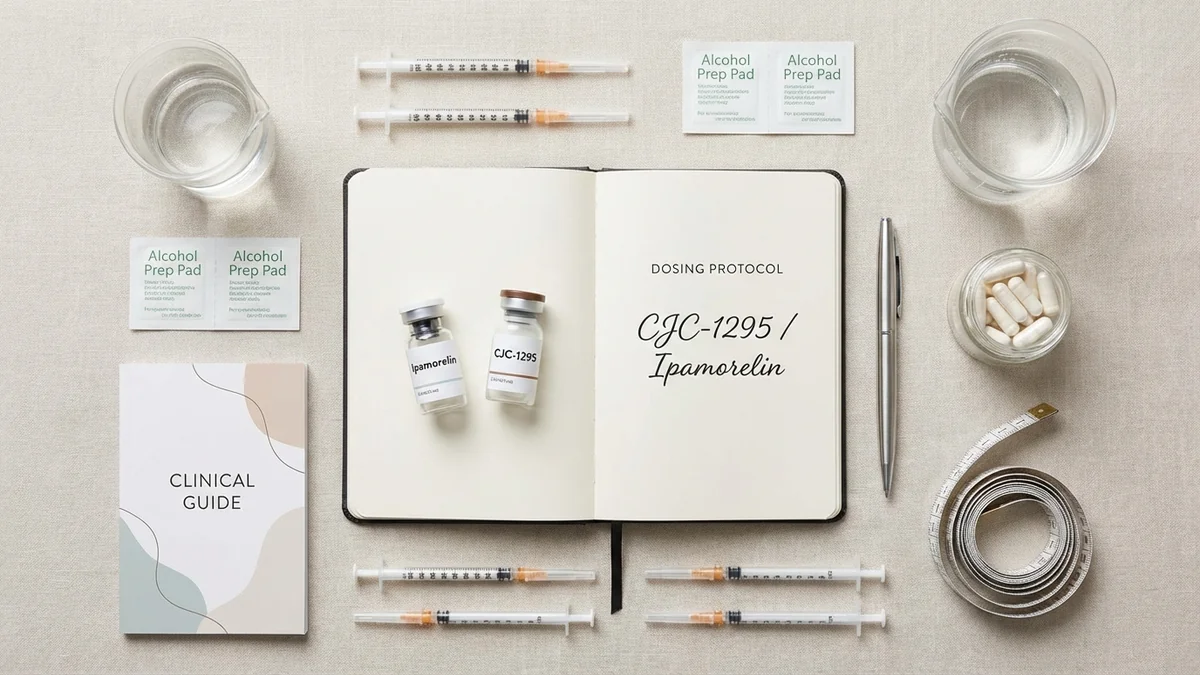
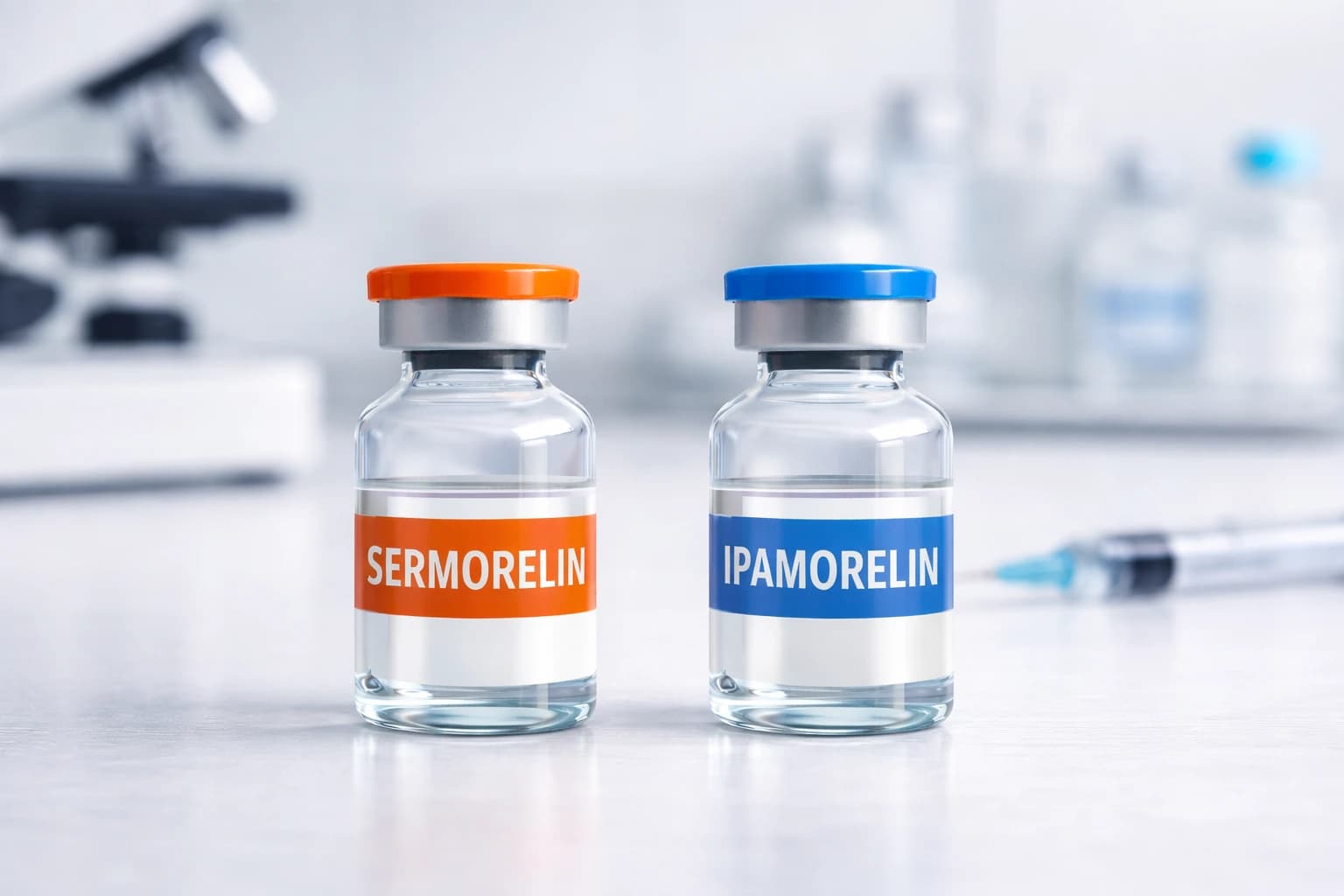
Examples include: Sermorelin FDA-approved for diagnostic testing of growth hormone secretion (commonly used off-label for growth hormone optimization) Tesamorelin FDA-approved for reduction of excess abdominal fat in HIV-associated lipodystrophy Semaglutide (Ozempic, Wegovy) FDA-approved for type 2 diabetes and weight management Thymosin Alpha-1 FDA-approved in some countries, available via compounding in the US Category 2: Compoundable Peptides (Under FDA Discretion) These are peptides that are not FDA-approved drugs but can be compounded by licensed 503A or 503B pharmacies under specific circumstances, typically when theres a medical need and no FDA-approved alternative exists
The Science Behind GHK-Cus Blue Color The distinct blue hue of GHK-Cu copper peptides is no coincidence - this color comes from the chemical interaction between the tripeptide (glycyl-L-histidyl-L-lysine) and copper ions
A high-fibre diet, adequate hydration, healthy gut microbiome, and reduced intake of processed food and red meat significantly lower the risk of recurrence
Pharmacokinetics: Cyanocobalamin is administered intranasally, orally, and parenterally, while hydroxocobalamin is administered only parenterally. Once absorbed, vitamin B12 is highly bound to transcobalamin II, a specific B-globulin carrier protein and is distributed and stored primarily in the liver as coenzyme B12. The bone marrow also stores a significant amount of the absorbed vitamin B12. This vitamin crosses the placenta and is distributed into breast milk. Enterohepatic recirculation conserves systemic stores. The half-life is about 6 days (400 days in the liver). Elimination is primarily through the bile; however, excess cyanocobalamin is excreted unchanged in the urine