How much bacteriostatic water should I use to reconstitute 5mg of BPC-157
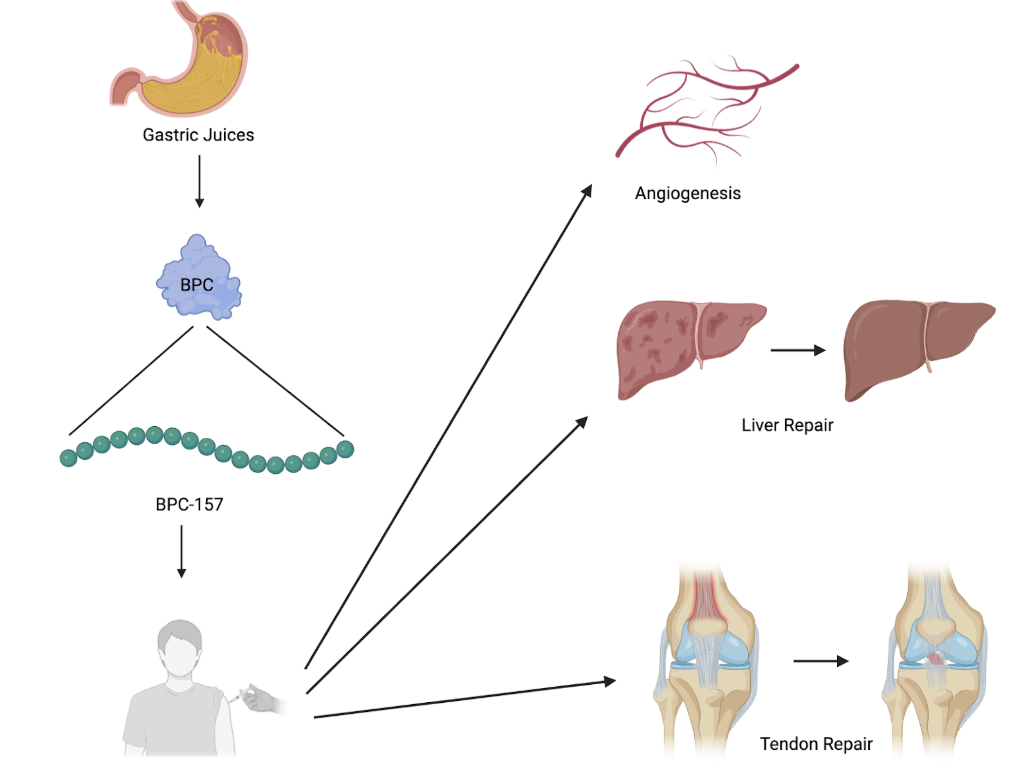
The two peptides act on non-overlapping points of the tissue-repair cascade: BPC-157 drives angiogenic and growth-factor signaling, including VEGF/VEGFR2 engagement and nitric-oxide pathway modulation, while TB-500 (thymosin -4) sequesters monomeric G-actin to modulate cytoskeletal remodeling and cell migration
Subscribe to our concierge telemedicine program for personalized healthcare and stay informed about the latest research breakthroughs and developments in the field.
International Journal of Medical Sciences Exploring the Role of Tripeptides in Wound Healing and Skin Regeneration: A Comprehensive Review (2025) Related research, protocols, and guides Explore the available research context, protocol variants or comparisons, and practical guides
Individual responses may vary, and this comparison is based on available research data, not a treatment recommendation
It boosts the activity of fibroblasts, the cells that produce collagen and repair ligaments and tendons