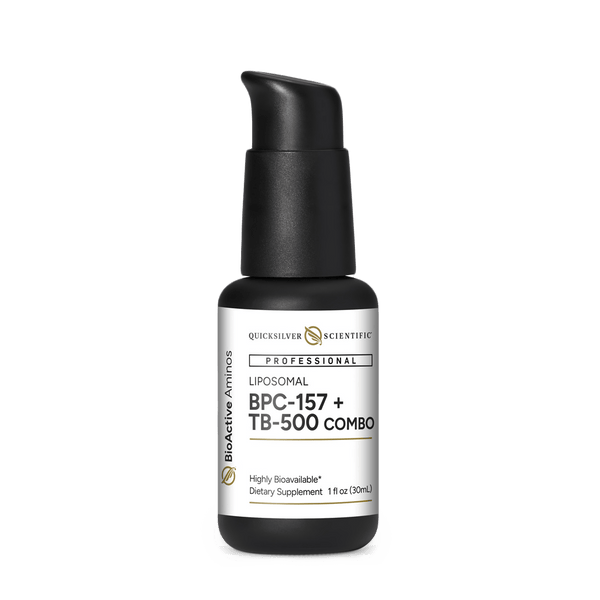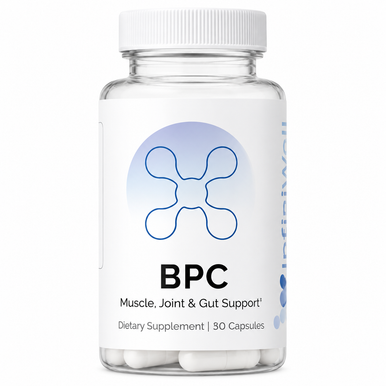
Laboratory research demonstrates that BPC-157 treatment accelerates wound healing in diverse injury models including alkali burns, surgical incisions, and chronic wounds, with the peptide enhancing proliferation, migration, and angiogenesis in vitro through dose-dependent ERK1/2 phosphorylation leading to increased cellular proliferation, migration, and vascular tube formation
The area of these fibrinaloid microclots was found to be greater in ME/CFS samples in comparison to healthy controls (313)
It is commonly paired with other secretagogues for synergistic effects
For more exploration of the angiogenesis issue, see the article that we have published on potential complications of TB-500
Refer to prescribing information
Together they provide broader tissue repair mechanism coverage