Reducing Peptide Degradation Risks What drives it: heat, light, oxygen, and time
Adding a lot of water makes it weaker (less concentrated)
Who Might Consider BPC-157 and Who Should Avoid It Based on the preclinical data and clinical patterns of use, the patient populations most commonly prescribed BPC-157 for GI indications include: patients with persistent NSAID gastropathy despite PPI therapy, patients with functional GI symptoms attributed to intestinal barrier dysfunction, and patients with inflammatory bowel disease who have not responded adequately to biologic therapy and seek adjunctive options
There's no known mechanism by which BPC-157 would reduce the appetite-suppressing or weight loss effects of GLP-1 medications
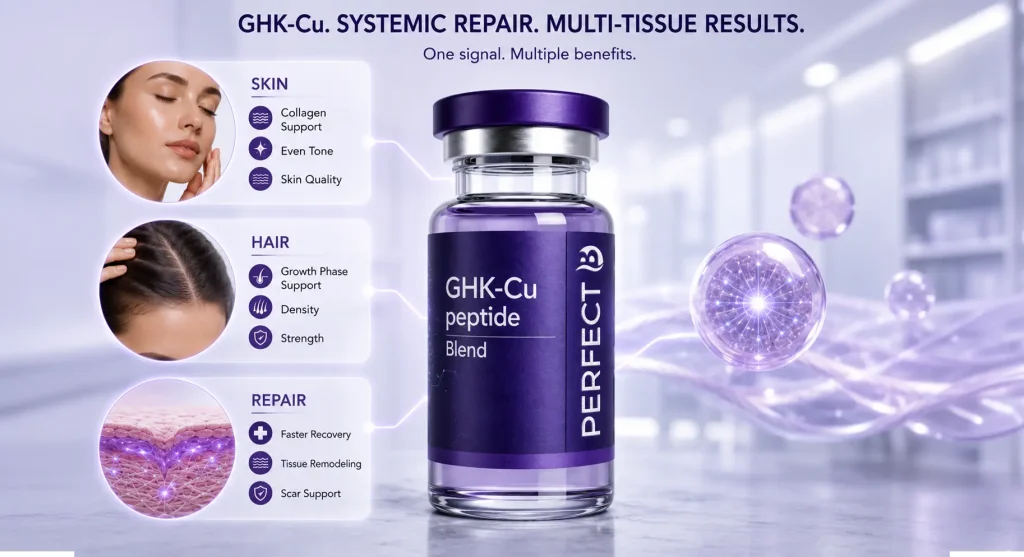
Specifications Sequence: Gly-His-Lys-Copper (GHK-Cu) Molecular Formula: CHNO Cu Molecular Weight: 403.9 Da Appearance: Blue-green lyophilized powder Form & Size: 100 mg vials Storage: 20 C, desiccated Research Applications Dermal & Cosmetic Science Wrinkle reduction, scar remodeling, UV-damage repair Wound-Healing Models Fibroblast activation, angiogenesis, epithelial closure Immune-Response Studies Macrophage recruitment, cytokine modulation Neuro-Regeneration Research Synaptic repair, anti-inflammatory activity in CNS tissue Performance Recovery Muscle repair, tendon resilience, recovery optimization For Laboratory Research Use Only
Deficiency can also lead to neurological symptoms such as numbness or tingling in the hands and feet, difficulty walking, memory problems, and depression