Poster session II - DIAGNOSIS / ETIOLOGY 04.00 - DIAGNOSIS / ETIOLOGY - 04.03 - ATHEROSCLEROSIS P952 - ESOC25-2145 SURVIVAL OF PATIENTS WITH ADVANCED CORONARY ARTERY DISEASE AND ASYMPTOMATIC INTRACRANIAL STENOSIS: LONG-TERM RESULTS OF INTERVENTIONAL AND MEDICAL TREATMENT Jurgita Valaikiene 1 , Roma Puronait 2,3 , Ligita Rylikyt 2 , Jolita Badarien 2 , Arnas Vaitkeviius 1 , Jurate Dementaviciene 4 , Arnas Valaika 2 1 Vilnius University Faculty of Medicine, Clinic of Neurology and Neurosurgery, Vilnius, Lithuania, 2 Vilnius University Faculty of Medicine, Clinic of Cardiac and Vascular diseases, Vilnius, Lithuania, 3 Centre of Informatics and Development, Vilnius University, Vilnius, Lithuania, 4 Vilnius University Faculty of Medicine, Department of Radiology, Nuclear Medicine and Medical Physics, Vilnius, Lithuania Background and Aims: It was estimated that two-thirds of patients with advanced coronary artery disease (CAD) had silent stenosis of the intracranial arteries
Athletic Performance & Recovery Optimisation Athletes, both recreational and competitive, are attracted to the possibility of quicker recovery between training, less downtime from injuries, and improved tissue resilience
The absence of reliable non-invasive biomarkers represents a major gap in endometriosis diagnosis
It's a very confusing time
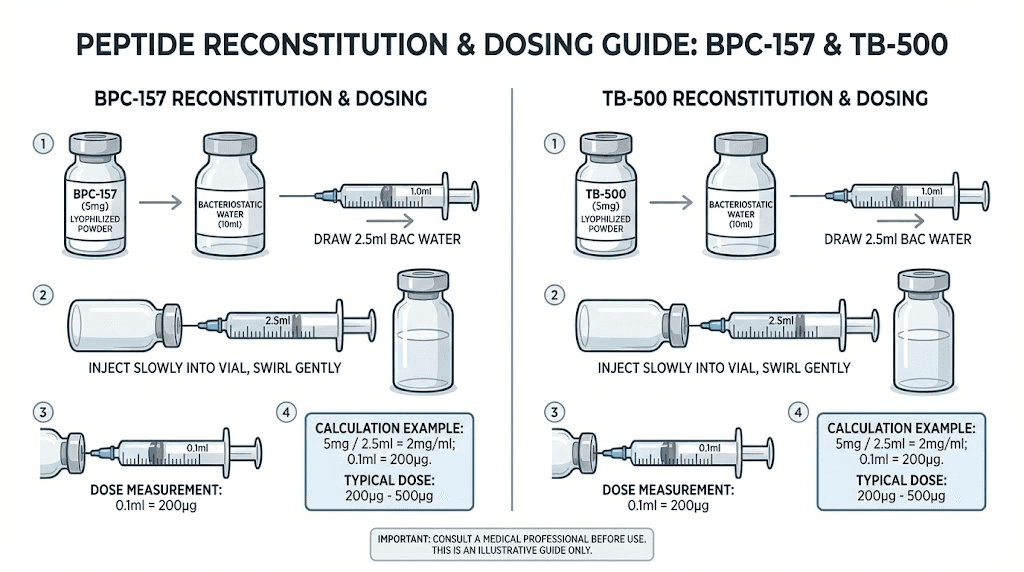
A 25 to 27 gauge needle is appropriate, as it minimizes discomfort and is sufficient for penetrating the subcutaneous layer without reaching the muscle

Scientific Communications: prognosis & outcomes 03.00 - RECOVERY, REHABILITATION AND OUTCOME - 03.03 - PROGNOSIS AND OUTCOME AFTER STROKE O - ESOC25-922 EARLY VASCULAR AGING AMBULATORY SCORE IN ACUTE ISCHEMIC STROKE Nikolaos Kakaletsis 1 , Vasileios Kotsis 2 , Naohisa Hosomi 3 , Patrik Michel 4 , Davide Strambo 4 , Youngseo Kim 5 , Konstantinos Vemmos 6 , Maurizio Acampa 7 , Jukka Putaala 8 , Matthias Hermann 9 , Philip Bath, Athanase Protogerou 10 , Charalampos Milionis 11 , George Ntaios 1 , Christos Savopoulos 1 1 First Propedeutic Department of Internal Medicine, Medical School, Aristotle University of Thessaloniki, AHEPA University Hospital, Thessaloniki, Greece, 2 Third Department of Internal Medicine, Medical School, Aristotle University of Thessaloniki, Papageorgiou Hospital, Thessaloniki, Greece, 3 Department of Clinical Neuroscience and Therapeutics, Hiroshima University Graduate School of Biomedical Sciences, Hiroshima, Japan, 4 Stroke Center and Neurology Service, Department of Clinical Neurosciences, Centre Hospitalier Universitaire Vaudois and University of Lausanne, Lausanne, Switzerland, 5 Department of Neurology, College of Medicine, Hanyang University, Seoul, South Korea, 6 Department of Clinical Therapeutics of Alexandra Hospital, National and Kapodistrian University of Athens, Athens, Greece, 7 Stroke Unit, Department of Medical Sciences, Surgery and Neurosciences, Santa Maria Alle Scotte General Hospital, University of Siena, Siena, Italy, 8 Department of Neurology, Helsinki University Hospital and University of Helsinki, Helsinki, Finland, 9 University Heart Center Zurich, Department of Cardiology, University Hospital Zurich, Zurich, Switzerland, 10 Cardiovascular Prevention & Research Unit, Clinic & Laboratory of Pathophysiology, Department of Medicine, School of Health Sciences, National and Kapodistrian University of Athens, Athens, Greece, 11 Department of Internal Medicine, Medical School, University of Ioannina, University Hospital of Ioannina, Ioannina, Greece Background and Aims: Understanding the impact of early vascular aging (EVA) on acute ischemic stroke (AIS) outcomes may provide new insights for improving prognostic assessments and developing targeted therapeutic strategies