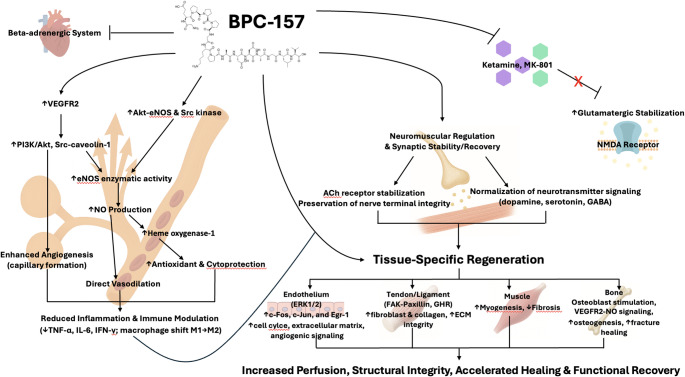
Each component is commonly explored in preclinical or in-vitro settings: BPC-157: studied in tissue injury models focusing on integrity, circulation-related responses, and repair processes
Doping control analysis of small peptides: A decade of progress
But given the lack of clinical evidence and the fact that BPC-157 peptides are unregulated, we suggest instead that you bring your symptoms, timeline, and goals to a trusted clinician, like one at Midi
doi:10.1136/practneurol-2014-001071
The Promising Findings GHK-Cu has the most robust human evidence, particularly for topical skincare applications BPC-157 shows impressive results in animal studies for wound healing, collagen production, and tissue repair Peptides generally have favorable safety profiles in the studies that exist The mechanisms make biological sense: peptides do play real roles in healing The Limitations Most studies on BPC-157 and TB-500 are animal-based, not human There are no standardized dosing protocols for most injectable peptides Long-term safety data in humans is limited Many peptides are not FDA-approved for cosmetic or surgical recovery purposes Quality control varies widely between compounding pharmacies Important: Many injectable peptides are classified as research compounds and are not approved for human use outside of clinical trials

Common Side Effects Some people may experience mild side effects from vitamin B12 injections, including pain or redness at the injection site, mild diarrhea, or itching