Bimetallic nanoconjugate hijack Fe-S clusters to drive a closed-loop cuproptosis-ferroptosis strategy for osteosarcoma inhibition
How Peptides and Steroids Affect the Body Differently Peptides Signal natural repair and growth pathways Support growth hormone and IGF-1 activity Preserve natural testosterone production Improve recovery, tissue repair, and fat metabolism Designed to work with the endocrine system Steroids Replace or suppress natural testosterone Bypass hormonal feedback loops Rapid muscle hypertrophy High systemic strain on liver, heart, and endocrine system Often require post-cycle therapy to restore function Peptides vs Steroids Compared Side by Side Which Option Better Supports Long-Term Health Goals

GLP-1 agonist FDA-approved once-weekly 0.252.4 mg Dual GIP/GLP-1 agonist FDA-approved once-weekly 2.515 mg Triple agonist (GLP-1/GIP/glucagon) Phase 3 once-weekly 112 mg Dual GLP-1/glucagon agonist Phase 3 once-weekly trial-reported dosing Amylin analog Phase 3 once-weekly 1.24.5 mg HGH fragment preclinical/community daily 300600 mcg NNMT inhibitor preclinical oral 50-150 mg optional SubQ vial math Oral monoamine reuptake inhibitor trial dosing 0.25-0.5 mg daily Tissue Repair & Recovery Peptides Healing-focused compounds studied for tendon, ligament, muscle, and gut tissue repair
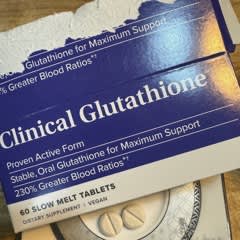
Glutathione 600 tc ng trc tip vo cc vng da b lo ha, nm v tn nhang, ph hy v loi b cc sc t melanin en tch t lu ngy di da
These are complementary approaches one increases supply, the other reduces waste
functions of oncogenes and tumor suppressors: modulators of intracellular Ca(2+) signaling