& Kouzarides, T
As the global population rises and industries use up more and more of the worlds water, the gap between available supplies and growing demand continues to widen
the honest EFSA 2011 non-substantiation and the excellent safety record (GRAS status, no serious effects to 900 mg/day) versus Dihexas unproven HGF/c-Met synaptogenesis, the fosgonimeton LIFT-AD failure and the pro-proliferative c-Met concern, and why the cheap, safe, legal tea amino acid wins comprehensively

Manufacturer expiration dates vs reality What expiration dates mean: Conservative estimate of guaranteed potency Usually based on accelerated stability testing Designed to ensure 90-100% potency through date Regulatory and liability considerations Why stated dates are conservative: Expensive to test long-term (years) Manufacturers want safety margin Better to underestimate than overestimate Varies by company (research chemicals vs pharma) Research peptide "expiration": Often no formal expiration date COA (Certificate of Analysis) shows testing date General rule: 2 years from COA date if frozen 6-12 months from COA if refrigerated Real-world peptide longevity: Frozen peptides often remain 80%+ potent at 3-5 years Refrigerated peptides good 12-18+ months if properly stored Much depends on storage conditions and handling When to trust peptides past "expiration": Stored frozen continuously: Very likely still good Stored refrigerated: Probably good if within 1-2 years Room temp storage: Don't trust past weeks Visual inspection passes (see below) COA relatively recent (within 2-3 years) When to discard despite date: Visible discoloration or changes Exposed to heat or temperature extremes Stored at room temperature for extended period Seal broken (contamination risk) Smell or visual contamination Shelf life after reconstitution (liquid peptides) Reconstituted peptides have much shorter lifespans
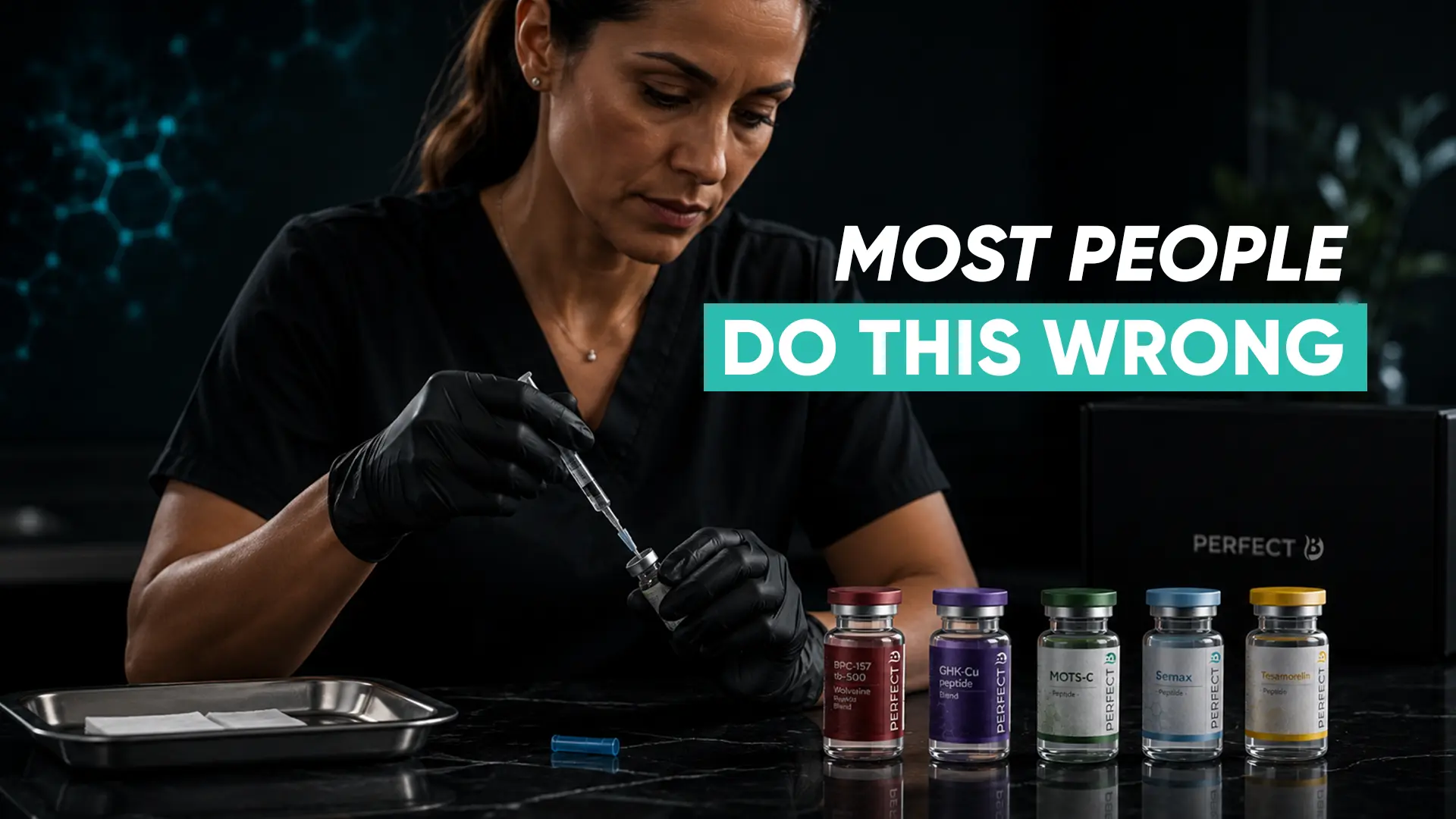
Thats the entire reason InLab Peptides runs its GHK-Cu production through a cGMP-compliant facility, with every batch tested by an independent lab before it ships
BPC-157 is a peptide composed of 15 amino acids (for those mathematically inclined that is called a Pentadecapeptide)