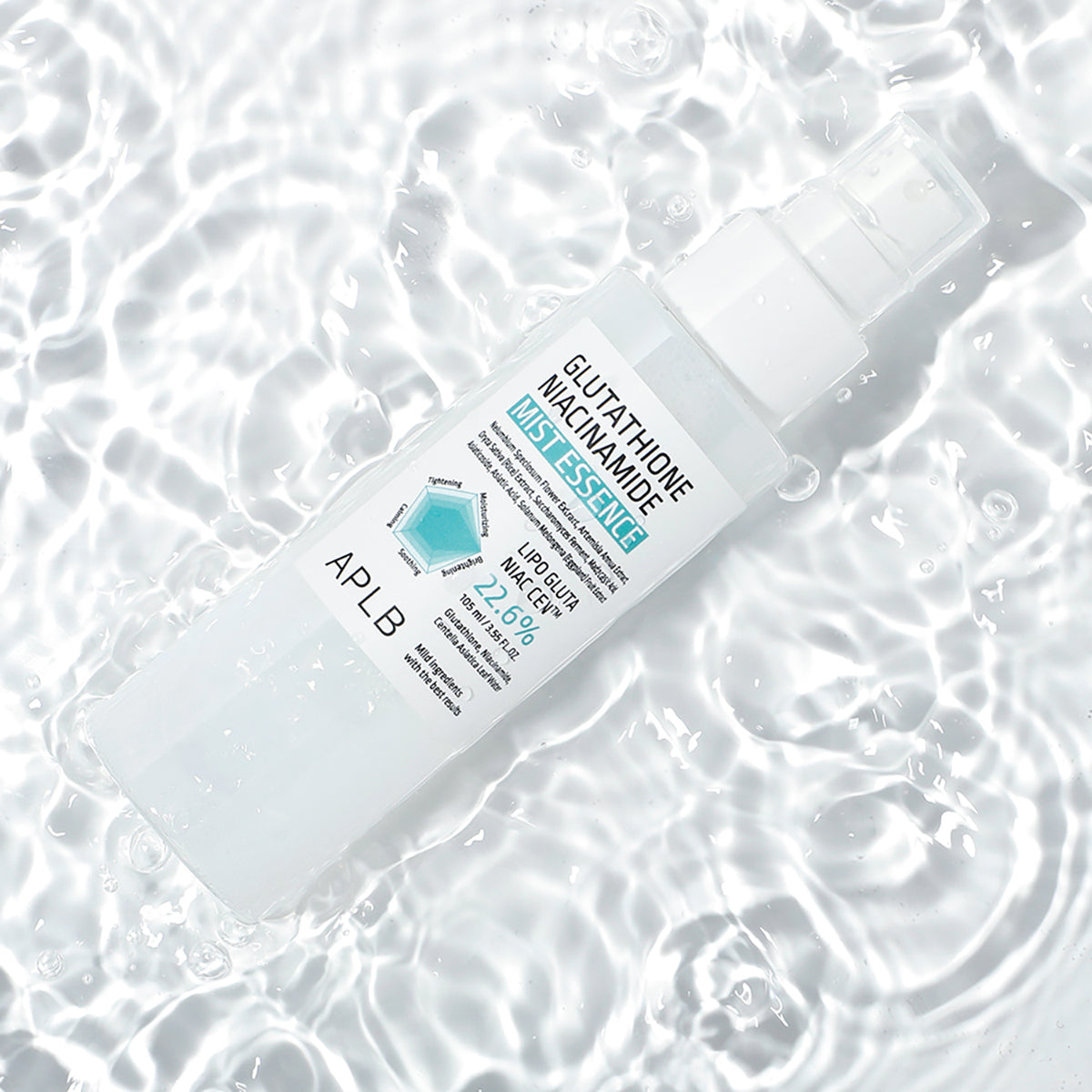
Over-using can waste product and may cause sensitivity
(600mg x 30 Tablets)
above approximately pH 7.4 the Cu(II) chelate begins to release copper and the solution darkens
10.3390/nu16234163 319

Disclosure of interest: Jarrad Fisher: nothing to disclose Poster Session I - RECOVERY, REHABILITATION AND OUTCOME 03.00 - RECOVERY, REHABILITATION AND OUTCOME - 03.03 - PROGNOSIS AND OUTCOME AFTER STROKE P261 - ESOC25-1658 SEX- AND GENDER-RELATED DIFFERENCES IN CVT PRESENTATION AND OUTCOMES: THE SECRET TRIAL AND TOP-SECRET REGISTRY Alejandro Fuerte-Hortigon 1 , Vanessa Dizonno 1 , Namali Ratnaweera 1 , Princess King-Azote 1 , Stephen van Gaal 1 , Laura Wilson 1 , George Medvedev 2 , Aleksander Tkach 3 , Brian Buck 4 , Brett Graham 5 , Luciano Sposato, Jennifer Mandzia 6 , Dylan Blacquiere 7 , Mark Boulos 8 , Kanjana Perera 9 , Aleksandra Pikula 10 , Celine Odier 11 , Michael Hill, Thalia Field 1 1 Division of Neurology and Vancouver Stroke Program, University of British Columbia, Vancouver, Canada, 2 Royal Columbian Hospital, Fraser Health Authority, New Westminster, Canada, 3 Kelowna General Hospital, Interior Health Authority, Kelowna, Canada, 4 Division of Neurology, University of Alberta, Edmonton, Canada, 5 Division of Neurology, University of Saskatchewan College of Medicine, Saskatoon, Canada, 6 Department of Clinical Neurosciences, Schulich School of Medicine and Dentistry, University of Western Ontario, London, Canada, 7 Ottawa Stroke Program, Ottawa Hospital Research institute, University of Ottawa, Ottawa, Canada, 8 Sunnybrook Research Institute, Division of Neurology (M.I.B.), University Health Network, Toronton, Canada, 9 Population Health Research Institute and Division of Neurology, McMaster University, Hamilton, Canada, 10 Krembil Brain Institute (A.P.), University Health Network, University of Toronto, Toronto, Canada, 11 Dpartement de Neurosciences, Centre Hospitalier dUniversit de Montral, Universit de Montral, Montral, Canada Background and Aims: Cerebral venous thrombosis (CVT) has a preponderance for young women due to its association with sex-specific risk factors (SS-RF)

Cagrilintide and CagriSema are investigational treatments that have not yet received regulatory approval in the UK, EU, or USA