The safety of CoQ10 supplementation during breastfeeding remains inadequately studied , and there is currently insufficient evidence to confirm whether it is safe or unsafe for nursing mothers and their infants
\Improved Glucose Regulation: Insulinotropic effects of Retatrutide + glucagon suppression from Cagrilintide
The proposed mechanisms with the strongest supporting data are: VEGF upregulation: BPC-157 has been shown in animal and cell studies to increase vascular endothelial growth factor expression, promoting angiogenesis at injury sites
Common genetic risk variants identified in the SPARK cohort support DDHD2 as a candidate risk gene for autism
Eventually, you will be ready for the brace to come off
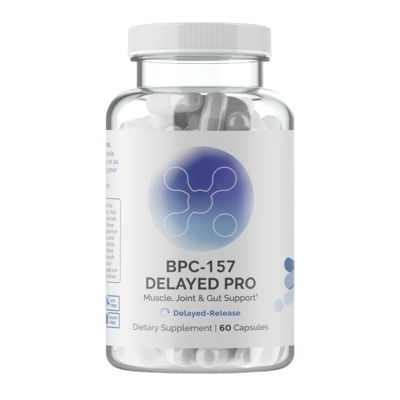
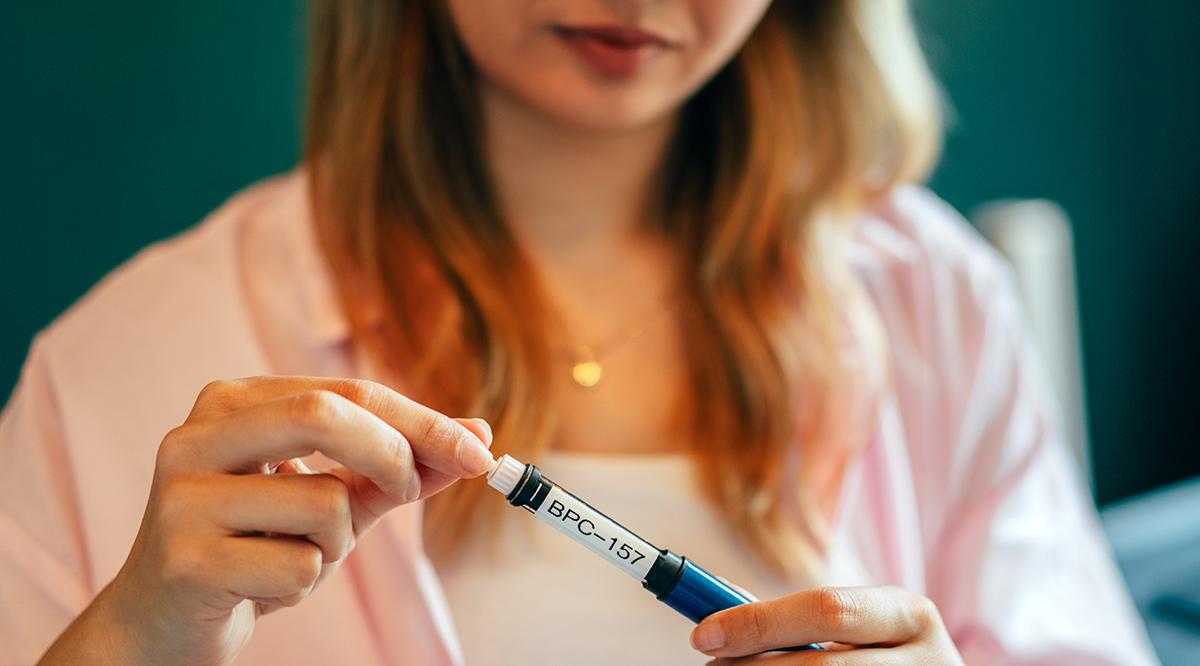
BPC-157, or Body Protecting Compound-157, is a 15-amino-acid peptide sequence (Gly-Glu-Pro-Pro-Pro-Gly-Lys-Pro-Ala-Asp-Asp-Ala-Gly-Leu-Val) isolated from gastric juices.[1][2] It was first identified in the 1990s as part of research into cytoprotective agents that safeguard the gastrointestinal (GI) tract from damage.[3] Unlike many peptides, BPC-157 is highly stable in acidic environments, allowing for oral administration without significant degradation.[4] In compounding pharmacies, BPC-157 is often prepared as capsules, injectables, or topical formulations