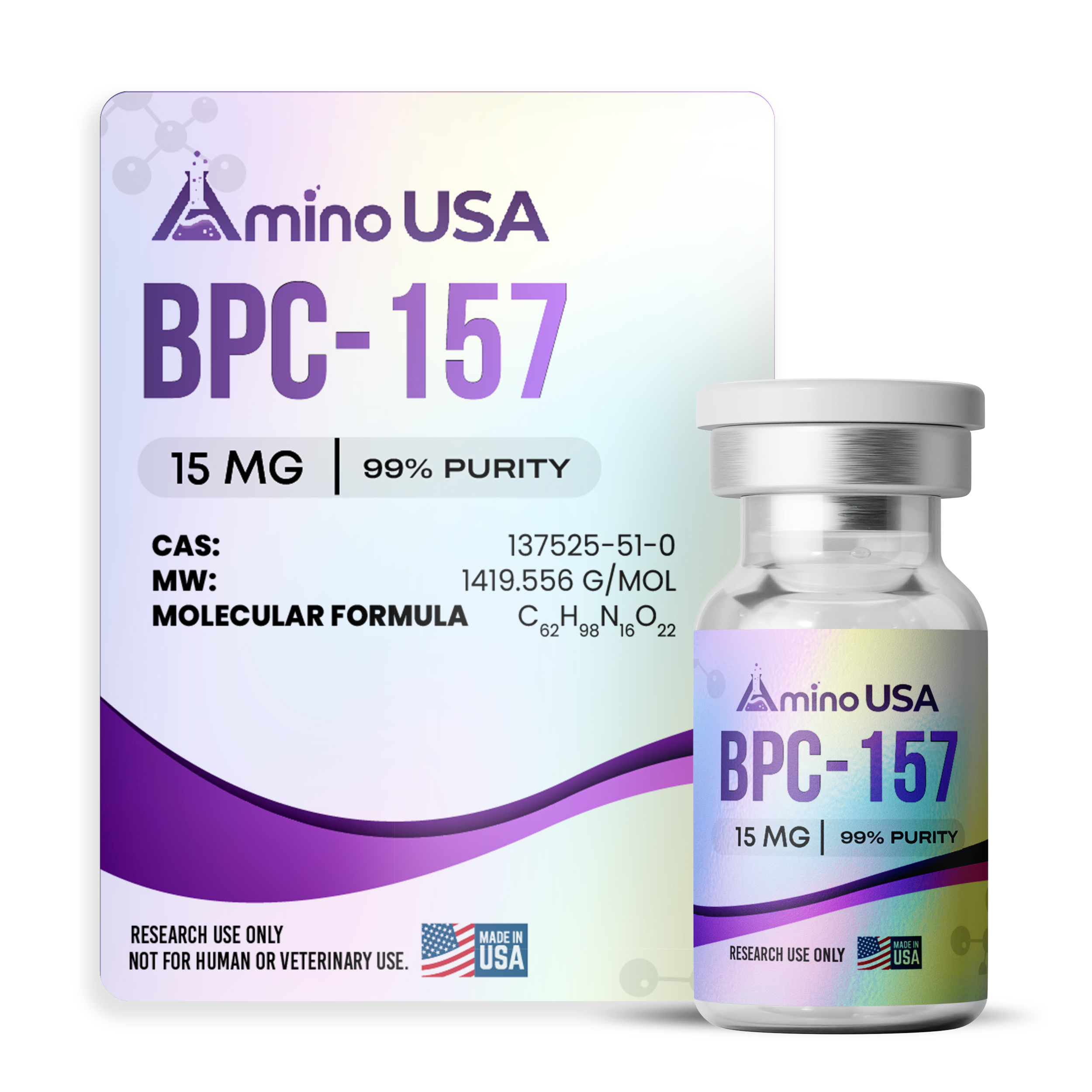
When the FDA places a peptide in a restricted or high-risk category [known as Category 2], it is explicitly signaling that it has identified safety concerns and that enforcement discretion does not apply. But, as Hajduczok notes, just because something is not FDA-approved doesnt mean its illegal to compound, but the restricted peptides should not be compounded
[5] For this reason, those who follow a vegetarian or vegan diet should include B12-fortified foods or a B12 supplement in their diets
Add validated solvent slowly down the vial wall, avoid vigorous shaking, and record the final concentration in the laboratory notebook or LIMS
Translation to human outcomes is not demonstrated
Mesenchymal stem cell studies demonstrate these increases occur through integrin pathways without cytotoxic effects across wide concentration ranges
Unopened vials: Store at controlled room temperature (20-25 degrees C / 68-77 degrees F) Protected from light in original packaging Good until manufacturer-printed expiration date (typically 18-24 months from production) Do not freeze freezing can compromise the glass vial seal and alter preservative distribution After first puncture: Refrigerate at 2-8 degrees C (36-46 degrees F) 28-day use window from first needle puncture per Pfizer/Hospira prescribing information Swab the rubber stopper with 70% isopropyl alcohol before every puncture Label the vial with the first-puncture date Discard after 28 days regardless of remaining volume or visual appearance What shortens the 28-day window: Room-temperature storage after puncture (can reduce effective window to 7-10 days) Excessive puncture count (30+ punctures accelerate preservative depletion) Poor aseptic technique (skipping alcohol swabs introduces surface contamination) Temperature cycling (moving between fridge and room temp repeatedly) For a deep dive on shelf life, degradation signs, and the science behind the 28-day rule, see How Long Does Bac Water Last After Opening