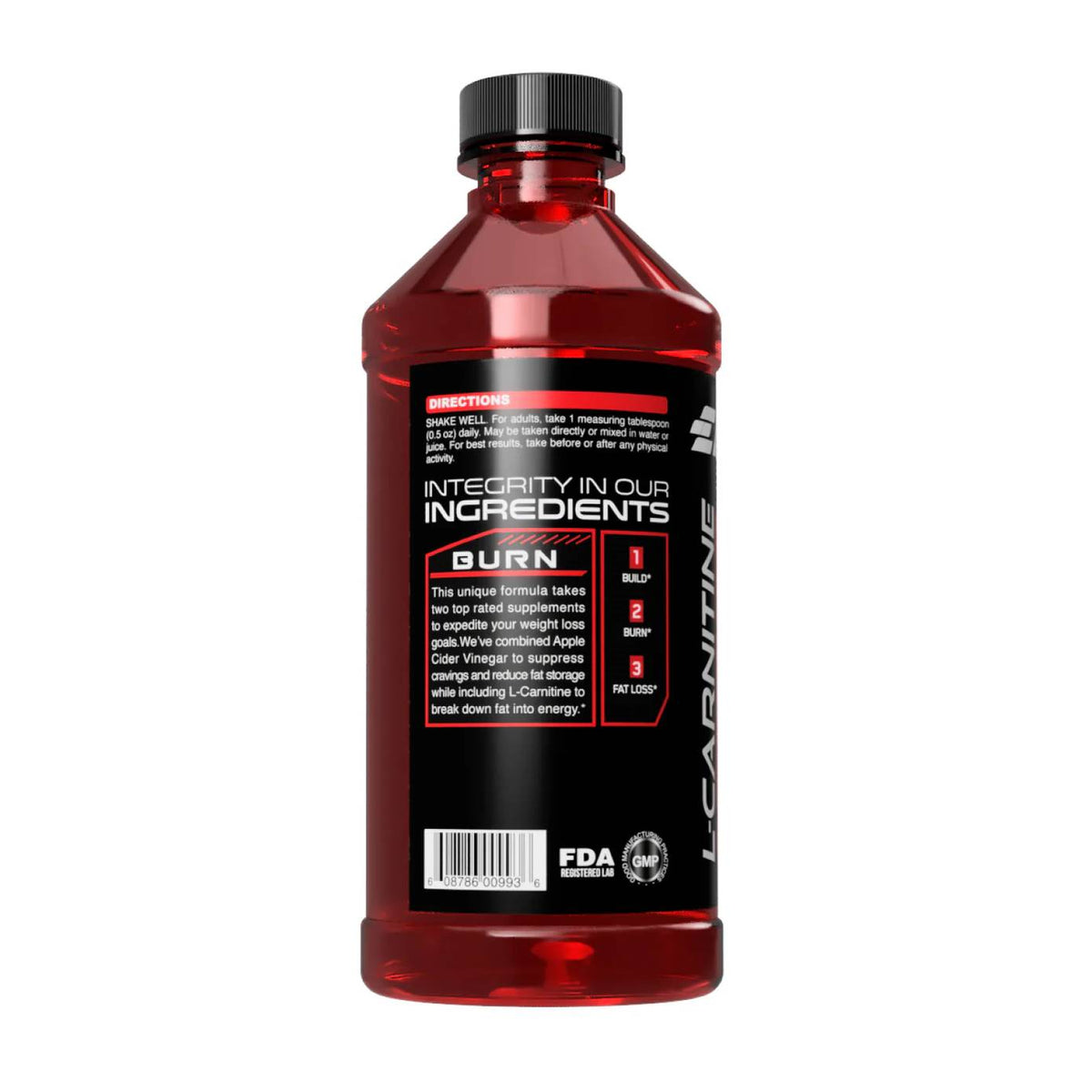
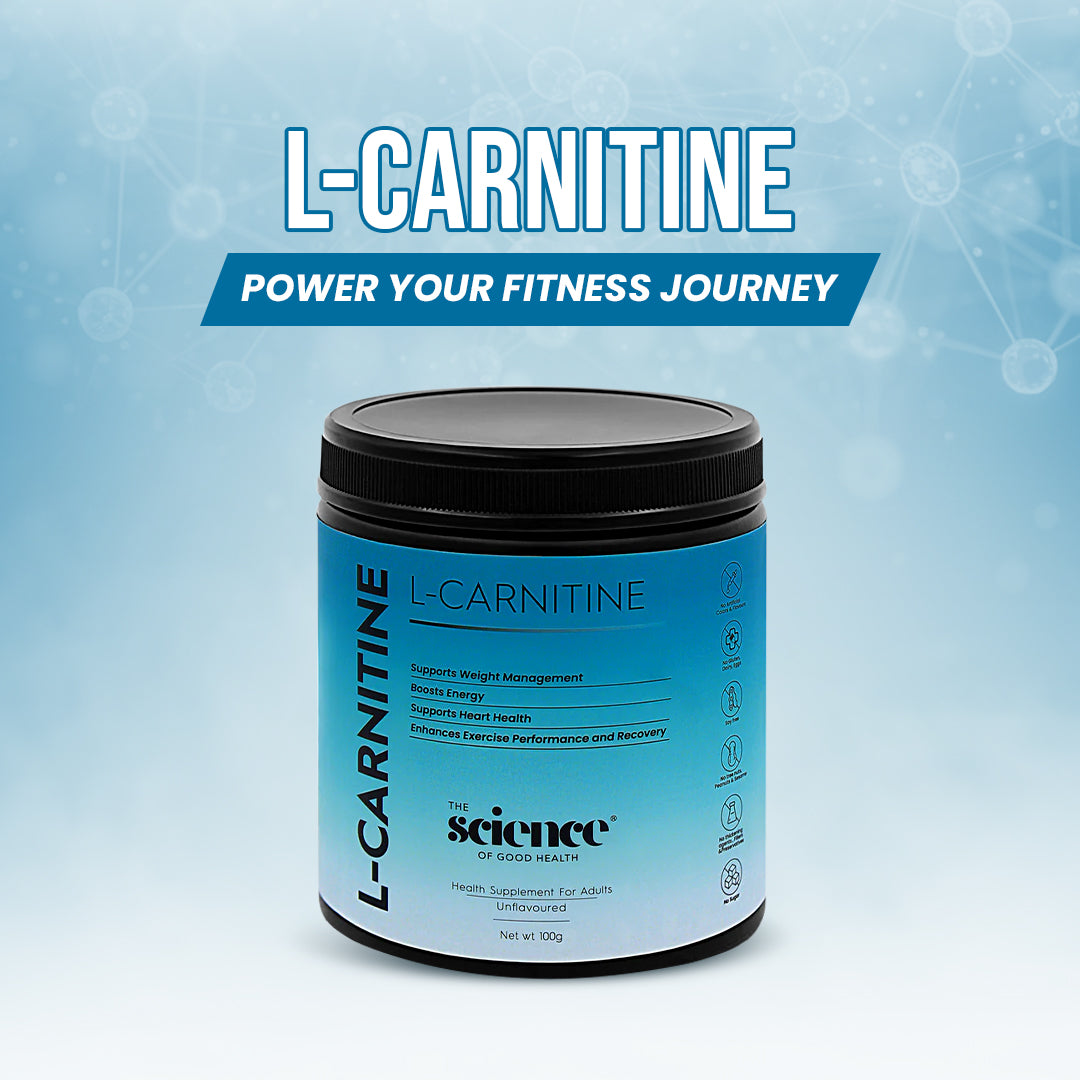
Unlike growth hormone peptides (which work through the pituitary) or GLP-1 peptides (which work through gut and brain receptors), BPC-157 works primarily through a different mechanism: it upregulates growth hormone receptors in tendon cells, stimulates angiogenesis (the formation of new blood vessels), and modulates nitric oxide signaling all of which contribute to accelerated tissue repair and reduced inflammation
son assimilation est meilleure quune forme non protge
Bo v da tt hn trc gc t do, ngn nga lo ha
Researchers use experimental models to study how BPC-157 interacts with: .Tendon cells .Ligament tissue .Collagen organization .Mechanical tissue properties .Cellular communication These investigations help improve scientific understanding of connective tissue biology and may contribute to future advances in tissue engineering research
Cell Res 30(2):119132
This advanced formula replenishes NAD+, repairs cellular damage, and protects against oxidative stress while enhancing energy, focus, and athletic performance